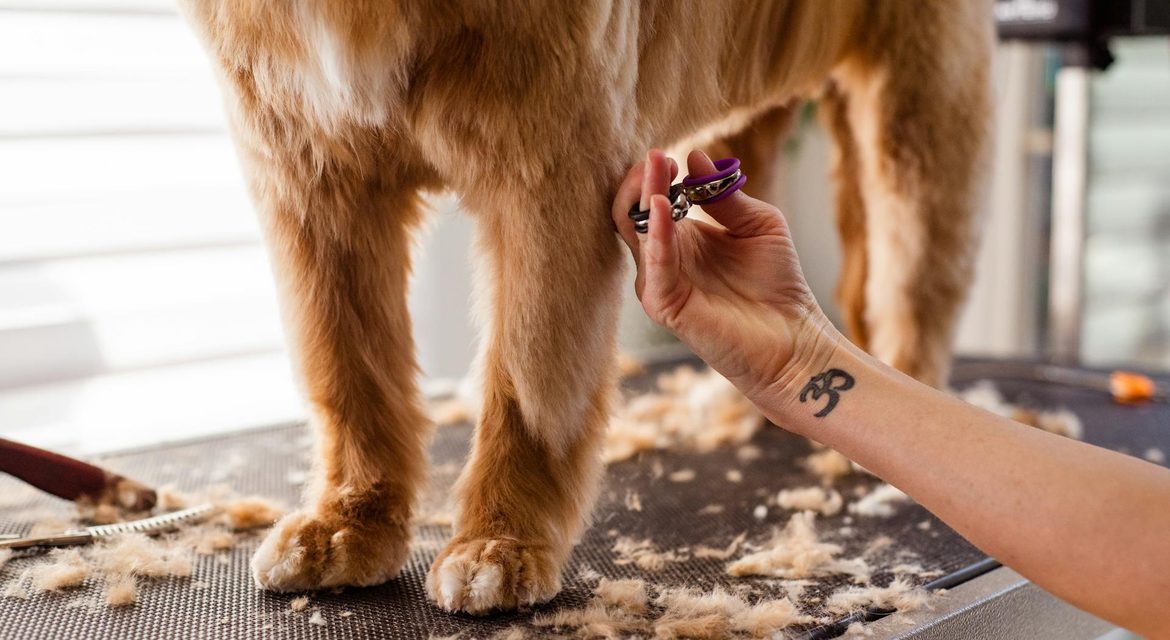
Dogs that need regular haircuts often continue professional grooming appointments every four to eight weeks during winter. Dogs with short coats may need less frequent salon visits. The right schedule depends on your dog’s coat, skin, activity level, and the brushing you do at home.
For Long Island dog owners, winter also brings practical challenges: muddy walks, salted sidewalks, wet fur, and snow caught between paw pads. Keeping up with coat care helps prevent those everyday messes from becoming uncomfortable problems.
Here’s how to plan a winter grooming routine that fits your dog.
Does Your Dog Still Need Grooming in Winter?
Yes. Letting your dog’s coat grow longer doesn’t remove the need for brushing, bathing, nail care, or appropriate trimming.
It helps to separate three parts of grooming:
- Brushing and combing: Regular home maintenance to remove loose hair and prevent tangles.
- Bathing and drying: Cleaning when needed, using products appropriate for your dog’s skin and coat.
- Haircuts and professional maintenance: Appointments tailored to coat growth, matting risk, nails, and other care needs.
A winter appointment doesn’t automatically mean a short haircut. Discuss the amount of coat you want to keep and the maintenance it will require with your groomer.
Winter Grooming by Coat Type
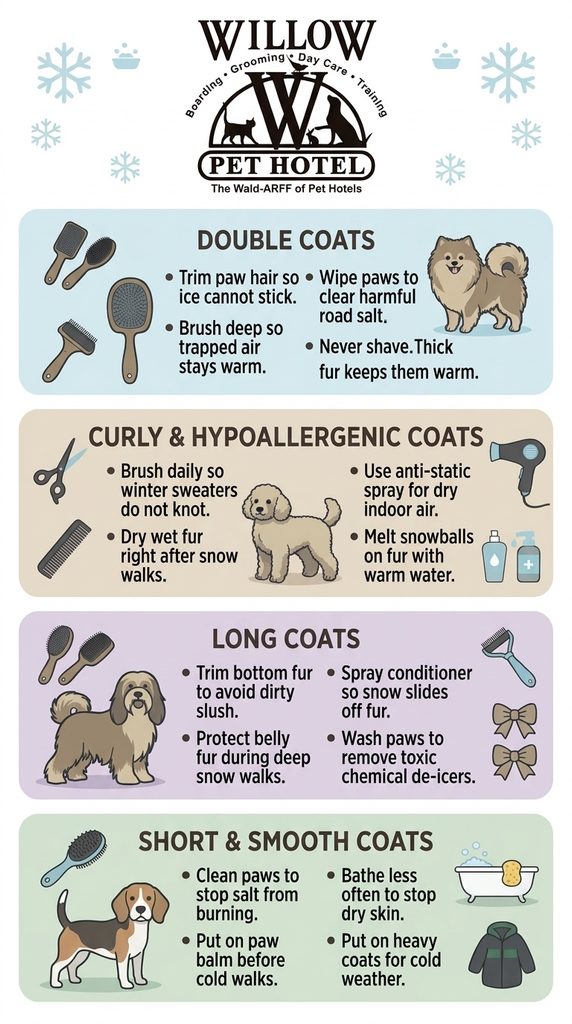
These categories are a starting point. Some dogs fit more than one, and dogs of the same breed can need different routines.
Curly and Wavy Coats
Examples: Poodles, Bichon Frises, and many Goldendoodles and Labradoodles.
Scheduling guide: A four-to-six-week appointment cycle may suit dogs that need regular clipping and shaping. The American Kennel Club’s Poodle guidance describes this interval for owners who use a professional groomer.
Longer styles require more upkeep between visits. A coat can look fluffy on the surface while tangles develop underneath, so ask your groomer to demonstrate brushing and combing for your dog’s particular coat.
Doodle coats vary considerably. Choose a schedule based on the coat your dog actually has rather than assuming every doodle needs the same haircut or appointment interval.
Long and Silky Coats
Examples: Yorkshire Terriers, Maltese, and Shih Tzus.
Scheduling guide: Discuss a recurring haircut schedule with your groomer based on the style you maintain. Longer coats may need more frequent attention between appointments, while shorter pet trims can make daily care easier.
Pay particular attention to hair around the legs and underside after wet walks. Keeping these areas clean and manageable can make winter outings less messy without requiring a drastic change in coat length.
Double Coats
Examples: Golden Retrievers, German Shepherds, Huskies, and Bernese Mountain Dogs.
Scheduling guide: Plan brushing, bathing, and deshedding around your dog’s shedding and coat condition. There isn’t one appointment interval that suits every double-coated breed.
These appointments focus on maintaining the coat rather than giving every dog an all-over haircut. For Golden Retrievers specifically, the AKC’s grooming guide includes professional coat and foot care every four to six weeks as an option.
Ask your groomer what services your dog needs and how much maintenance you can comfortably manage at home.
Short and Smooth Coats
Examples: Boxers, Great Danes, Beagles, and Pugs.
Scheduling guide: Arrange baths and professional care as needed rather than automatically following a haircut schedule.
Short-coated dogs still need brushing and nail checks. Bathing frequency depends on dirt, odor, activity, and skin health. If your dog has persistent itching or flaking, ask your veterinarian about the cause instead of assuming more baths will solve it.
How to Prevent Tangles Between Appointments
Regular home care matters just as much as the date of the next salon visit.
Long, silky, and curly coats commonly need daily brushing. Short coats generally need less frequent brushing. Check behind the ears, under the legs, and beneath collars or harnesses for developing tangles.
Choose tools suited to your dog’s coat and use a gentle touch. If a brush or comb catches, avoid pulling through resistance.
Tight or extensive mats need professional attention. Don’t cut them out with household scissors or force your dog through painful brushing. Bathing can make existing tangles harder to remove, so contact a groomer before washing a matted dog. If the skin is irritated or sore, contact your veterinarian. VCA’s coat-care guidance explains when professional help is appropriate.
Remove sweaters when they’re no longer needed and inspect the areas they cover. A quick coat check after taking off winter clothing makes it easier to notice tangles early.
Winter Paw Care for Long Island Walks
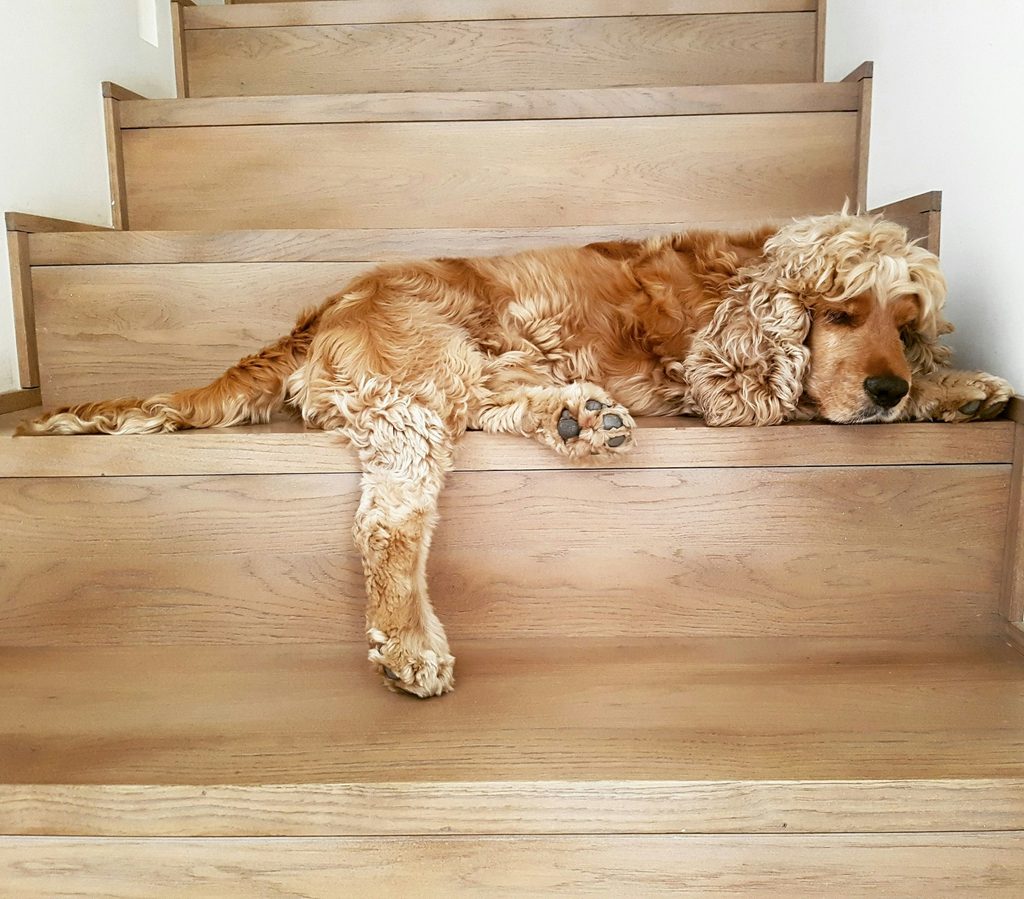
Salt, slush, and ice deserve attention after every winter outing.
- Clean away residue. Rinse dirty or salty paws with lukewarm water, checking between the toes and pads.
- Dry thoroughly. Gently dry the spaces between toes before your dog heads back outside.
- Loosen ice gently. Use a warm, damp towel to melt snowballs caught in the fur instead of pulling them out.
- Ask about paw trims. A groomer can carefully tidy excess hair around the pads to help reduce snow buildup.
- Consider protection. Properly fitted boots or a dog-safe paw product may help, but continue cleaning and inspecting the paws afterward.
Contact your veterinarian if you notice bleeding, painful cracks, or limping. The AKC’s paw-care guide offers more detail on cleaning and protecting paws.
Should You Bathe Your Dog More Often in Winter?
Not necessarily. A muddy belly or salty feet may only need targeted cleaning.
When a full bath is needed, use dog-specific shampoo, rinse thoroughly, and dry your dog before returning outdoors. Dogs with skin conditions may need a different bathing routine prescribed by their veterinarian.
Winter alone isn’t a reason to increase or stop bathing. Let your dog’s condition and care needs guide the decision.
Plan Your Dog’s Winter Grooming at Willow Pet Hotel
Willow Pet Hotel offers professional dog grooming in Deer Park, NY, including coat brushing, deshedding, breed-specific haircuts, nail trimming, paw pad care, and sanitary trims.
When arranging your appointment, tell the team about your dog’s current coat condition, preferred haircut, and any skin sensitivities. Mention any tangles you’ve noticed and how much brushing you’re able to do between visits.
Planning ahead for Thanksgiving, Christmas, or a winter boarding stay gives you time to coordinate grooming with your other arrangements.
Ready to plan your dog’s next visit? Request a grooming appointment at Willow Pet Hotel. For questions about your dog’s needs, contact our team before booking.
FAQs
Frequently Asked Questions About Winter Dog Grooming